Walking With a Paint Kit
I am a retired dad learning to slow down, look closely, and paint again.
Retirement did not arrive with fireworks. It came quietly, almost politely, like a chair being pulled out for me after years of standing. My wife and I noticed it first in the mornings. There was no rush to beat traffic or check the clock. Coffee stayed warm longer. The days stretched instead of snapping shut.
I had painted my whole life, or at least I told myself that. The truth is that for decades, painting lived in the corners. A sketchbook on a shelf. A half-cleaned brush in a drawer. I was always going to return to it when things settled down. I said that for years, and then suddenly, they did.
The idea of walking through Europe with a small paint kit came slowly. It was not a grand plan. It started as a thought during a quiet afternoon, the kind where nothing needs to be decided right away. I thought about bridges I had only seen in books. Plazas where people sat without hurrying. Towers that had outlasted generations of painters far better than me.
I packed light. A small set of paints, a folding brush, paper thick enough to forgive mistakes. I told myself I would paint when it felt right, not because I had scheduled it. That alone was new for me. Most of my life had been lists and deadlines. This felt like giving myself permission to miss things.
When I stopped to paint, people sometimes watched. Sometimes they did not. Both were fine. I learned quickly that painting outside is mostly about patience. Wind moves paper. Shadows shift. Your hands do not listen as well as they used to. I found myself working slower without meaning to, and that surprised me more than anything.
I was not trying to document places the way travel books do. The paintings became more about time than landmarks. How long I stood there. What I noticed after ten minutes instead of two. Which details stayed and which slipped away. A railing mattered more than a skyline. A crack in stone felt more honest than a perfect outline.
At night, back where we were staying, I looked at the work and felt unsure. Not disappointed, exactly. Just uncertain. I realized that what I wanted next was not praise. I had enough of that kind of encouragement already from people who loved me. What I wanted was thoughtful art critique, the kind that comes from someone actually looking, not guessing what you hoped to do.
That took some time to admit. Asking for real feedback feels different when you are older. You are supposed to be past that stage, or at least I thought so. But standing in front of a bridge you have painted badly makes you honest in a way nothing else does. I wanted someone to tell me where the painting lost its way, and where it almost found something.
The paintings started to feel like markers rather than souvenirs. Proof that I had been there long enough to notice. Proof that my hands were still learning, even now. I stopped thinking about whether the work was good and started thinking about whether it was honest. That shift alone made the whole trip feel different.
I am still figuring out what this period of life is for. Maybe that is the point. Walking, painting, listening to people who look carefully at art has given me something I did not expect. A slower way of paying attention. I am learning to stay with a thing longer than feels comfortable and see what shows up.
The first time I went looking for outside feedback, it felt oddly similar to stepping into a city where I did not speak the language. I knew what I wanted, but I was not sure how to ask for it without sounding foolish. I had painted that afternoon near a long stone bridge, working through a stubborn section where the lines kept tightening up no matter how gently I held the brush. Back at our room, I laid the paper flat on the table and stared at it longer than I meant to.
My wife noticed, of course. She always does. She asked what I was thinking, and I told her the truth. I did not know if the painting was finished or just tired. I said I wanted someone to look at it who did not already care about my feelings. She smiled at that, not unkindly, and said that sounded reasonable. It felt like permission.
I searched that evening with no real plan. I skipped past galleries and sales pages without even opening them. I was not interested in being impressive. I wanted conversation. I wanted people who understood that slowing down does not mean giving up, and that mistakes at this age carry different weight. That is how I found an art critique community that felt less like a stage and more like a table where people actually sat down and talked.
I remember uploading that first piece with a kind of quiet tension in my shoulders. I was not nervous the way I used to be when showing work years ago. It was more like curiosity mixed with caution. I wrote a short note about where I had painted it and what I struggled with, then posted it to the art critique section at FanArtReview and closed the laptop as if that somehow made it less real.
The next morning, I checked before breakfast, which told me more about myself than I expected. There were a few responses already. Not many, but enough. They were careful and specific. One person mentioned how the shadows felt rushed compared to the rest of the piece. Another noticed that the structure of the bridge felt solid but the water underneath did not quite support it. No one told me it was beautiful. That was fine. I did not need beautiful.
What stayed with me was how personal the feedback felt without being personal at all. They were talking about the work, not about me. That distinction matters more than people realize. It let me listen instead of defend. I read the comments again later that afternoon while sitting on a bench, watching people cross another bridge entirely. The painting changed in my head just from understanding it better.
After that, I began to paint differently. Not better, exactly, but more honestly. I stopped trying to resolve everything on the page. I left areas loose when I felt unsure. I trusted that confusion had a place, just like confidence does. Knowing that thoughtful critique would follow made me less afraid of leaving questions open.
There was one afternoon in a wide plaza where I painted almost nothing at all. I kept starting and stopping, distracted by footsteps and conversation drifting past. Normally that would have frustrated me. Instead, I let it happen. I posted the half-formed piece later and asked whether it felt unfinished or simply paused. The responses surprised me again. A few people said it felt intentional, like a breath held mid-thought.
I realized then that this was not about improving technique in a straight line. It was about learning how to see myself working in real time. Art critique, when done well, does not push you forward. It widens the space around you so you can decide where to stand. That felt especially important now, when there is less pressure to arrive anywhere specific.
As we moved from city to city, the routine settled in gently. Walk, stop, paint or do not paint, upload later, read carefully. The comments became part of the trip, as real as the streets and cafés. Sometimes I agreed with what people said. Sometimes I did not. Both reactions taught me something. I noticed which suggestions I resisted and wondered why.
One evening, after a long day of walking, I sat on the edge of the bed and laughed quietly to myself. I was tired in a good way. My legs ached. My hands smelled faintly of paint even after washing them. I felt engaged again, not in a loud or urgent way, but in a steady one. Sharing work and receiving critique had become less about evaluation and more about staying awake to the process.
I used to think that at this stage of life, you were supposed to settle into certainty. What I am finding instead is a comfort with not knowing. The paintings are uneven. The feedback varies. Some days I understand exactly what went wrong. Other days I walk away with more questions than answers. That no longer bothers me.
This is what the trip has given me so far. Not a collection of finished pieces, but a way of working that feels patient and open. Walking through cities I once only imagined, stopping long enough to really look, and listening when others look back at what I made. That feels like enough to keep going.
By the middle of the trip, the days had found their own rhythm. We woke up early without trying to. The streets felt calmer before the shops opened, and the light was better too. I carried the paint kit most mornings, not because I planned to use it, but because I liked knowing it was there. It felt like a quiet promise to myself.
Walking through cities I had only read about as a younger man felt unreal in the best way. Bridges I had seen in art books were suddenly under my feet. Towers that once felt distant now cast real shadows. I stopped thinking about whether I was allowed to paint these places and simply started doing it. That alone felt freeing.
I thought often about the painters I admired when I was younger. They walked. They stood for long hours. They worked outdoors with whatever conditions showed up that day. I was not trying to imitate their style, but I liked sharing their pace. Painting this way felt honest and old-fashioned in a good sense.
Some days I painted famous spots. Other days I turned a corner and found something smaller that held my attention longer. A worn staircase. A narrow street opening suddenly into sunlight. A railing polished smooth by centuries of hands. Those moments felt just as important as the landmarks.
When I painted bridges, I noticed how different each one felt even when they served the same purpose. Some felt heavy and grounded. Others felt almost delicate. I tried to let the structure guide my hand instead of forcing it into a neat drawing. The results were uneven, but they felt true to what I saw.
In the evenings, back where we were staying, I shared the work online. Not every piece, just the ones that felt like they belonged to the day. Reading thoughtful art critique from people who actually took the time to look helped me understand what stood out to them versus what I thought mattered. That difference was useful.
One afternoon, I painted near a busy plaza where tourists gathered for photos. I stayed longer than I expected. After a while, the crowd noise faded into something steady, almost comforting. I focused on the edges of the buildings instead of the center. When I looked up, I realized how much time had passed.
There is something satisfying about painting in public places without performing. I was not there to entertain anyone. I was simply working. A few people asked questions. Most just glanced and kept moving. That suited me fine. The work felt private even though it happened in the open.
As the days went on, I noticed that my confidence came less from skill and more from familiarity. I knew how long I could stand. I knew when to stop. I knew when a piece had said enough. That knowledge did not come from planning. It came from repetition.
Traveling this way made the cities feel less like destinations and more like places where real life continued whether I was there or not. I liked that. Painting became a way of slowing myself down enough to notice how people actually used the spaces, not just how they were meant to be seen.
My wife often wandered while I painted and came back later to see what I had done. Sometimes she recognized the place immediately. Other times she laughed and said she never would have guessed. Both reactions felt right. I was not trying to record facts. I was recording time spent.
What surprised me most was how energized I felt by the process. I expected travel to be tiring, and it was, but in a satisfying way. Each day felt earned. Each painting felt like a small victory, not because it was good, but because it existed at all.
This trip was something I had imagined for years without realizing how simple it could be. Walk. Stop. Paint. Share. Listen. Repeat. There was no pressure to collect anything except moments. That simplicity made the whole experience feel lighter than I expected.
Standing in front of places I had dreamed about and painting them slowly, the way painters once did, made me feel connected to a long tradition without feeling small inside it. I was not chasing greatness. I was chasing attention, and that turned out to be enough.
By the time we moved deeper into the trip, the cities began to blur together in a pleasant way. Not in detail, but in feeling. Each place had its own sound and pace, yet the act of walking made them feel connected. I stopped thinking of them as separate stops and more like one long path with many turns.
Some mornings, I woke up already knowing I would paint. Other mornings, I left the room without the kit and trusted that I would know when to turn back for it. That trust felt new. For most of my life, I planned everything ahead of time. Now I was letting the day decide more often.
We crossed bridges that felt older than memory. I leaned on stone railings polished smooth by centuries of hands. I thought about how many people had stood in the same spots for reasons completely unrelated to art. That idea made the places feel grounded instead of grand.
Painting outdoors changed how I saw famous landmarks. From a distance, they looked impressive. Up close, they were full of wear. Cracks. Repairs. Uneven surfaces. Those details made them more interesting to paint. They felt less like symbols and more like working parts of a city.
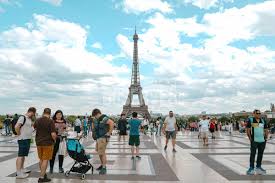
I remember standing near a tower that drew crowds all day long. People came, took photos, and left within minutes. I stayed. I watched how the light moved across one side while the other stayed in shadow. That difference became the painting, not the tower itself.
There was a sense of satisfaction in knowing I was doing this the slow way. Walking instead of rushing. Painting instead of collecting souvenirs. I had imagined this kind of travel when I was younger but never thought it would actually happen. Now that it was, I tried not to rush through it.
In the evenings, after long days on my feet, I still had energy to look at the work. Sharing it online became part of the routine, like unpacking at the end of the day. Reading art critique from people who understood painting as practice rather than performance helped me see patterns I missed while standing there.
One person mentioned how often I painted from the side instead of straight on. I had not noticed that myself. Thinking back, it made sense. Standing slightly off to the side felt less crowded. Less expected. That comment changed how I approached the next few stops.
Traveling this way made me feel part of the place instead of just passing through it. I waited for crosswalks. I moved with local traffic. I stood still long enough to be ignored. That invisibility felt comfortable. It gave me space to work without feeling watched.
My wife joked that I had become very good at finding benches. She was right. Benches became landmarks of their own. Places where I could sit, look, and decide whether to paint or simply rest. Not every stop needed a result.
There were afternoons when the weather shifted suddenly. Rain arrived without warning. Wind picked up and made painting impossible. Instead of frustration, I felt acceptance. These were the same conditions painters dealt with long before studios and schedules. I liked that connection.
I noticed how much stronger my sense of direction became. After days of walking, I knew where the sun would be at certain hours. I recognized streets by sound alone. Painting helped anchor those details in my memory.
Each city added something slightly different to the experience. Some felt open and wide. Others felt tight and layered. I adjusted without thinking about it much. The brush followed what the place offered instead of what I expected.
What surprised me most was how little pressure I felt to make something impressive. The excitement came from being there, brush in hand, doing something I had once assumed belonged to another version of myself. The work felt like proof that it was never too late to start something slowly.
Standing in places I had studied from afar and painting them in real time felt like closing a long, quiet loop. Not an ending, but a return. I was finally doing the thing I used to imagine, one walk and one stop at a time.
As the trip went on, the distances between places stopped feeling long. Train rides became familiar instead of tiring. I liked watching the scenery change slowly outside the window, knowing I would soon be walking through a new city with no schedule to follow.
Each arrival felt the same in a comforting way. Step off the train. Stretch my legs. Take a slow walk to wherever we were staying. I paid attention to the streets right away, noticing which ones felt busy and which felt calm. Those first walks often decided where I painted later.
Some cities felt built for walking. Long paths along rivers. Open squares where people gathered without rushing. I liked places where I could stand for a long time without blocking anyone. Those spots made it easier to work without feeling in the way.
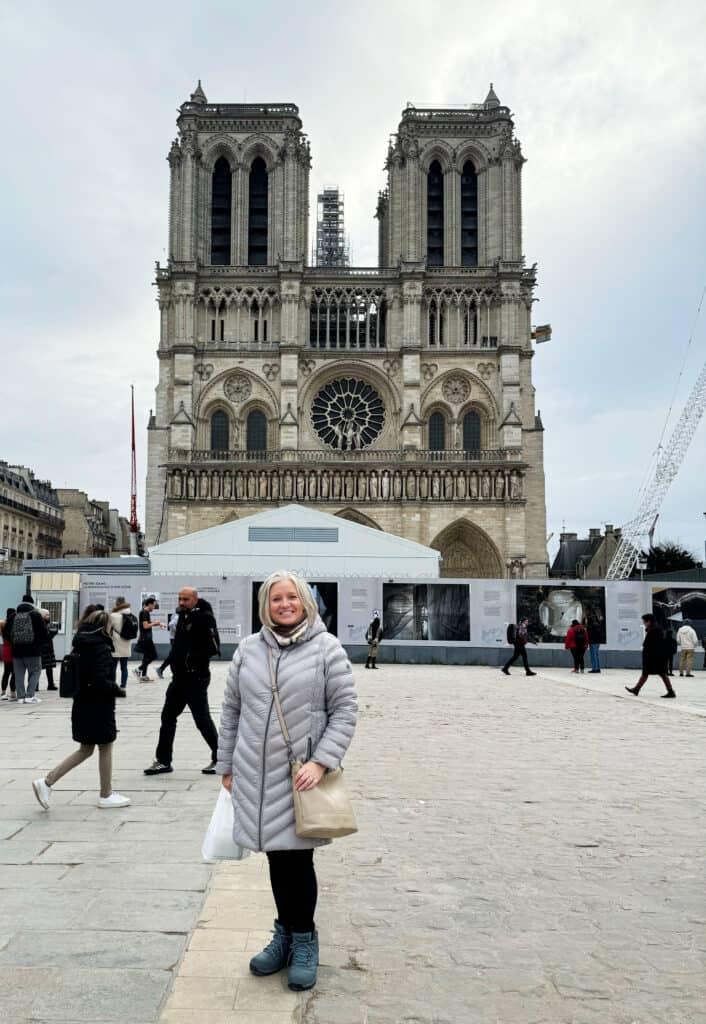
I painted near cathedrals more than I expected. Not the grand front views everyone photographs, but side angles where scaffolding, stone, and shadow mixed together. Those views felt honest. They showed how these buildings still lived and changed instead of standing frozen in time.
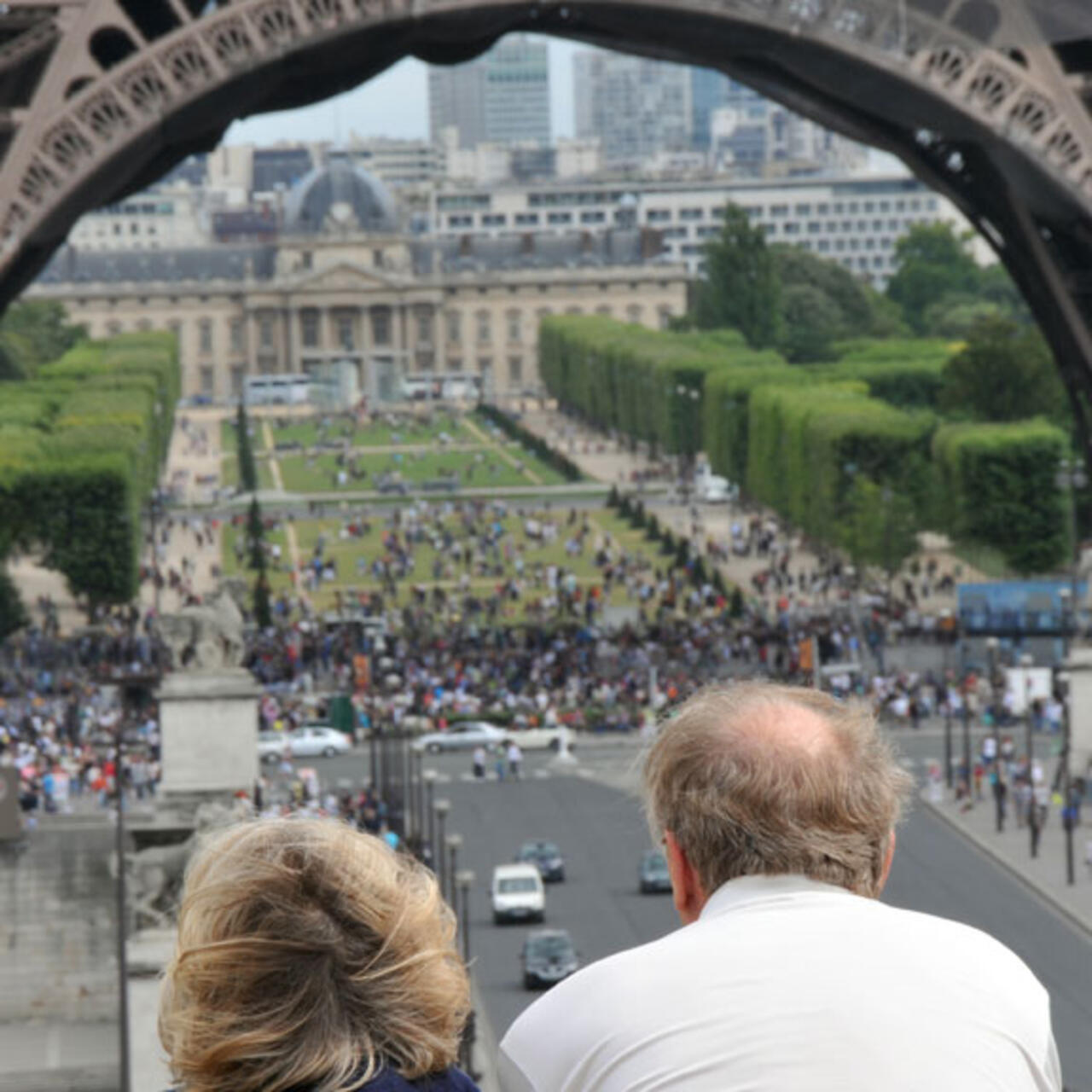
There was one afternoon when I stood near a large archway that framed a busy street. I painted only the curve of the stone and the light passing beneath it. Cars and people moved through the space constantly, but the arch stayed calm. That contrast held my attention.
Walking so much changed how my body felt each day. My legs grew stronger. My balance improved. Standing to paint felt easier as the days passed. I did not expect that, but I welcomed it. The work and the travel supported each other.
In the evenings, sharing the day’s painting became something I looked forward to. It felt like setting the work down on a table and stepping back. Reading art critique from people who saw things clearly helped me understand which parts of a place came through and which ones stayed unclear.
Sometimes a comment sent me back to the same spot the next day. Not to fix anything, but to look again. Seeing the same place twice always revealed something new. A different light. A different mood. A different pace.
I began to notice how often I painted entrances. Gates. Doorways. Openings between spaces. I did not plan that. It simply kept happening. Looking at those paintings together later made me smile. They felt fitting for this stage of life.
Traveling this way felt generous. I gave myself time instead of taking it away from something else. There was no need to rush to the next stop because the current one always felt full enough.
My wife often reminded me how long I had talked about this kind of trip without believing it would happen. Standing there with paint on my fingers, I understood what she meant. The work made the experience real in a way photos never could.
There were moments of surprise too. Streets I expected to love did nothing for me. Others I almost skipped became favorites. Painting helped slow my judgment. It encouraged me to stay a little longer before deciding.
Each city added to a growing collection, not just of paintings, but of practiced attention. I learned how to arrive, how to pause, and how to leave without feeling unfinished. That felt like a skill worth keeping.
As the journey continued, I felt less like a visitor and more like someone passing through with purpose. Not a loud purpose. A quiet one. Walk. Stop. Paint. Move on. The simplicity of it stayed exciting even after weeks on the road.
This was the life I had imagined when I was younger, only better because it was happening now. I was not chasing it anymore. I was living inside it, one street and one painting at a time.
Near the end of the journey, I stopped thinking about how many cities we had visited and focused instead on how familiar the routine had become. Walking no longer felt like travel. It felt like a normal part of the day. That told me something important had settled in.
I noticed how easily I now spotted places to stop. A bend in a street. A low wall near a bridge. A corner where buildings opened just enough to let light in. These moments no longer surprised me. I trusted them.
The last few cities felt generous. Not because they offered more, but because I knew how to receive what was there. I did not need big views or perfect weather. I only needed a place to stand long enough to work.
One afternoon, I painted near a bridge that carried both foot traffic and trains. The noise came and went in waves. I focused on the structure holding it all together. Steel, stone, and patience. It felt fitting for the final stretch of the trip.
That evening, I shared the painting and read through art critique with a quiet sense of satisfaction. Not because the comments were kind, but because they showed real attention. People noticed the same balance and weight that had drawn me to the spot in the first place.
I thought about how long I had imagined this kind of travel without knowing what it would actually feel like. It turned out to be simpler and better than expected. Walk often. Stop when something holds you. Paint what you see. Let others look too.
Packing up for the trip home felt calm. There was no rush to finish anything. The paintings did not need organizing or explaining. They already told their own story through repetition and place.
Back home, the streets will be familiar and quieter. That does not bother me. I know now that attention does not depend on distance. I can carry this way of working anywhere.
The paint kit will stay ready. The habit of walking will continue. I will keep stopping when something feels worth standing still for. That part no longer feels like a dream.
This trip was never about checking places off a list. It was about finally doing something I had postponed for years. Painting Europe on foot, slowly and honestly, has changed how I see travel and how I see my work.
I am grateful I waited until I could do it this way. With time. With patience. With no need to hurry past what mattered.
Now that I know what this life feels like, I intend to keep living it. One walk. One stop. One painting at a time.